
The evolution of gambling a historical journey through time
The evolution of gambling a historical journey through time
Origins of Gambling in Ancient Civilizations
The roots of gambling can be traced back to ancient civilizations where games of chance were intertwined with religious rituals and social gatherings. Archaeological evidence suggests that as early as 3000 BC, ancient Chinese cultures were playing games that involved betting. This included the use of rudimentary dice made from animal bones, a practice that echoed through various cultures in different forms, ultimately leading to the emergence of more structured games. Today, the aviator app download offers a new way for users to experience the thrill of skill-based gaming.

In ancient Rome, gambling was widespread, with citizens participating in various betting activities, from chariot races to gladiatorial contests. The Romans even regulated gambling, imposing taxes on certain games and creating laws to protect participants. This period laid the groundwork for organized gambling as we know it today, fostering a culture that enjoyed both the thrill of chance and the social bonding that came with it.
The Rise of Gambling in Medieval Europe
As Europe transitioned into the medieval era, gambling took on new forms. The introduction of playing cards in the late 14th century marked a significant evolution in gambling culture, allowing for new games that captivated the nobility and the common folk alike. These card games were often played during gatherings, enhancing social interactions while simultaneously promoting competition.
The establishment of betting houses in the 16th century further transformed the gambling landscape. These venues provided a regulated environment for wagering, and their popularity surged as the nobility patronized them. This era also saw the development of lotteries, which were often used to fund public projects and entertain citizens, establishing a link between gambling and community welfare.
The Industrial Revolution and Legalization of Gambling
The Industrial Revolution of the 18th and 19th centuries significantly influenced gambling’s evolution. Urbanization brought about an increase in gambling establishments, particularly in cities. With a growing population seeking entertainment, the demand for more organized forms of gambling soared, leading to the establishment of racetracks and casinos.
This period also marked a shift toward legalization. Governments recognized the potential economic benefits of regulating gambling, and many countries began to establish laws governing its operation. The introduction of betting regulations led to a more structured gambling environment, allowing for the growth of various betting games, including sports betting, which became widely popular.
The Digital Transformation of Gambling
The advent of the internet in the late 20th century brought about a revolutionary change in the gambling landscape. Online casinos and betting platforms emerged, making gambling accessible to a global audience. The convenience of online gambling allowed players to engage in their favorite games from the comfort of their homes, significantly expanding the gambling market.
This digital transformation also led to the introduction of innovative games, such as the Aviator app, which combines skill and strategy in a unique gaming experience. With the rise of mobile technology, gambling apps have become increasingly popular, allowing users to engage in real-time betting and gaming on their smartphones, marking a new era in the history of gambling.
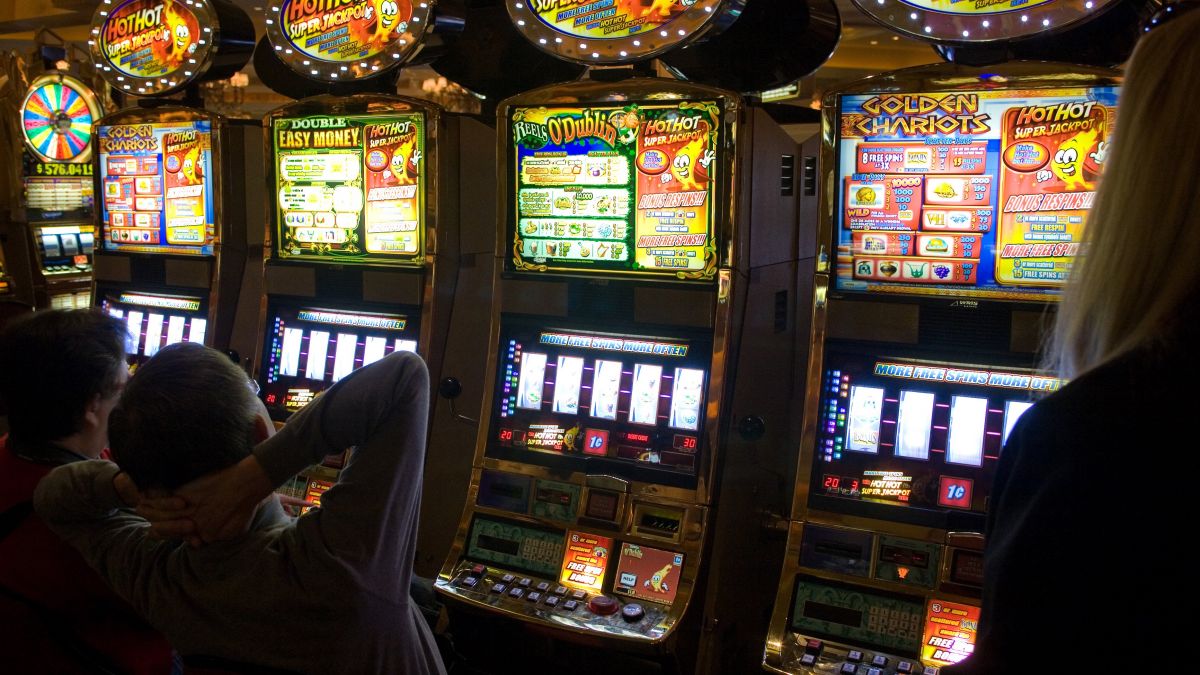
The Future of Gambling and Its Online Presence
As we look to the future, gambling continues to evolve, driven by technological advancements and changing societal norms. The integration of artificial intelligence and virtual reality is expected to revolutionize the gambling experience further, providing immersive and interactive environments for players.
Websites dedicated to gambling, such as those offering the latest games and apps, play a crucial role in this ongoing evolution. They not only provide platforms for engaging in various gambling activities but also foster communities where players can share strategies and experiences. The continuous innovation in this space ensures that gambling will remain a dynamic aspect of entertainment, adapting to the preferences and expectations of future generations.


Add comment